

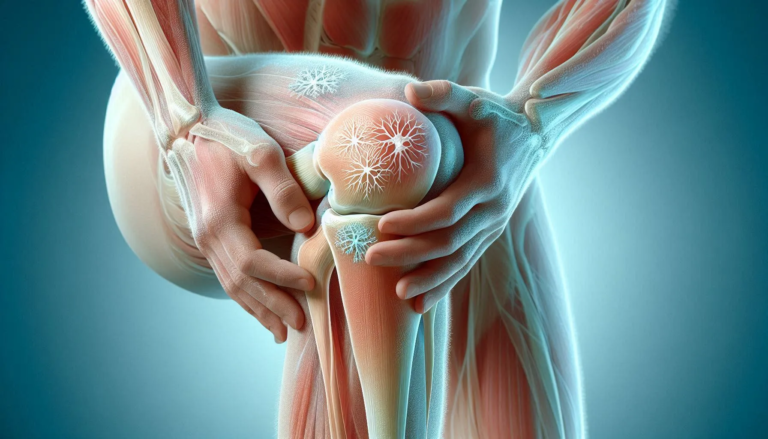
Understanding Why Joints Hurt More in Winter
The moment winter arrives, millions of people experience an unmistakable phenomenon: their knees, hips, and fingers begin to ache with remarkable consistency. This isn’t imagination—joint pain winter episodes affect up to 67% of people with osteoarthritis, who report weather-related symptom changes. Cold temperatures, shifting atmospheric pressure, and reduced activity levels create a perfect storm for joint discomfort, transforming the winter months into a challenging period for anyone with arthritis or chronic joint conditions. While your grandmother’s ability to “feel a storm coming” in her knees might have seemed like folklore, emerging research validates the connection between dropping temperatures, and increased pain sensitivity in our joints. Understanding these mechanisms reveals why winter demands different strategies for joint health.
How Cold Weather Affects Synovial Fluid and Circulation
When temperatures drop, the synovial fluid that lubricates your joints becomes thicker and less effective—similar to how motor oil behaves in freezing conditions. This increased viscosity makes movement stiffer and more uncomfortable, which is why joints hurt on winter mornings more than other times. Northwestern Medicine explains that cold also constricts blood vessels, reducing circulation to peripheral joints like fingers, knees, and toes. With less nutrient-rich blood reaching joint tissues, inflammation can worsen while the body struggles to maintain optimal joint function in frigid conditions.
Barometric Pressure and Its Role in Joint Discomfort
Beyond circulation changes, fluctuations in barometric pressure significantly influence cold weather joint pain. When atmospheric pressure drops before a storm or cold front, the reduced air pressure allows joint tissues to expand slightly. This expansion can irritate nerve endings in already inflamed or arthritic joints, creating that familiar ache many people use to “predict” weather changes.
Research on osteoarthritis patients confirms this phenomenon isn’t imaginary—77.3% of those studied reported cold intolerance, with joint pain intensifying as barometric pressure fell. The effect is particularly pronounced in joints with existing damage, where even minimal tissue swelling creates noticeable discomfort. While you can’t control atmospheric pressure, understanding this mechanism helps explain why your knees might ache hours before a snowstorm arrives.
Is Vitamin D Deficiency a Factor in Winter Joint Pain?
Vitamin D levels naturally decline during winter months when sunlight exposure decreases, potentially contributing to arthritis winter flare-ups. Research suggests vitamin D plays a crucial role in regulating inflammatory responses within joints, with deficiency linked to increased pain sensitivity and reduced muscle strength around affected areas. While the connection between vitamin D and joint pain remains complex, maintaining adequate levels through supplementation or dietary sources may help mitigate winter discomfort for some individuals with existing joint conditions.
Practical Strategies to Mitigate Joint Pain in Winter
Addressing the joint stiffness that cold weather triggers requires a multi-faceted approach combining environmental control and lifestyle adjustments. Research suggests that maintaining indoor temperatures between 68-72°F helps prevent the physiological responses that exacerbate discomfort. Layering clothing strategically—particularly around vulnerable areas like knees and hands—creates an insulating barrier against temperature drops.
Hydration plays an unexpected but crucial role in joint health during winter months. However, incorporating targeted movement breaks every 30-60 minutes prevents the stiffening cycle that occurs with prolonged sedentary behavior. Simple strategies like warm morning showers before activity can pre-emptively reduce resistance in synovial tissues, while evening heat therapy helps muscles release accumulated tension from cold exposure throughout the day.
Exercises to Improve Joint Mobility
Regular movement prevents cold weather from allowing synovial fluid thicken and joints to stiffen. Gentle range-of-motion exercises performed daily help maintain flexibility and circulation even during frigid months.
Low-impact activities prove most effective for winter joint maintenance. Swimming in heated pools, stationary cycling, and yoga provide movement without excessive stress. According to ColumbiaDoctors, starting with 5-10 minutes of gentle stretching before more vigorous activity warms tissues and reduces injury risk. Knee circles, ankle rotations, and shoulder rolls can be performed indoors without equipment, making consistency achievable regardless of outdoor conditions.
Dietary Adjustments for Joint Health
Nutrition plays a supporting role in managing discomfort when barometric pressure joints experience fluctuations. Anti-inflammatory foods like fatty fish rich in omega-3s, leafy greens, and berries help reduce systemic inflammation that winter’s physiological changes can amplify. Staying hydrated maintains synovial fluid viscosity, while vitamin D supplementation—particularly important during months with limited sunlight—supports bone density and immune function, according to research from The Arthritis Foundation. What typically happens is that combined dietary strategies work alongside environmental modifications to create comprehensive winter joint care.
Limitations and Considerations
Not everyone experiences winter joint pain equally. Individual responses vary significantly based on underlying health conditions, age, fitness level, and pain sensitivity. Research shows considerable variability in how people perceive and report weather-related joint discomfort, making universal predictions difficult.
Distinguishing between muscle tightness in cold weather and actual joint inflammation matters. Many assume all winter aches stem from joints themselves, when muscle tension and reduced flexibility often contribute substantially to perceived pain. However, separating these factors requires proper medical evaluation rather than self-diagnosis. On the other hand, acknowledging limitations in current research helps manage expectations—while correlations exist between weather and joint pain, causation remains incompletely understood and likely multifactorial.
Common Misconceptions About Cold Weather and Joint Pain
Cold weather doesn’t directly damage joints, contrary to popular belief. While temperature drops correlate with increased discomfort, research shows the relationship is indirect—involving barometric pressure changes, reduced activity, and physiological responses rather than cold itself causing structural harm.
Another misconception suggests moving to warmer climates will eliminate joint pain entirely. However, many remedies for joint pain in winter work effectively regardless of location because individual sensitivity varies significantly. Some people experience relief in dry, warm environments, while others find no substantial difference after relocating.
Finally, the idea that only arthritis sufferers experience winter joint pain oversimplifies the issue. Healthy individuals can develop temporary discomfort when cold weather triggers muscle tension, thicker joint fluid, and reduced blood flow—mechanisms affecting anyone exposed to sustained temperature drops.
How to Relieve Winter Joint Pain
Staying warm and active represents the most effective approach when joints hurt in cold weather due to arthritis symptoms flare. Northwestern Medicine recommends layering clothing, using heated blankets, and maintaining indoor temperatures above 68°F to preserve joint comfort. Regular movement—even gentle stretching or walking—prevents stiffness by keeping synovial fluid circulating.
Warm baths or heating pads applied for 15-20 minutes can relax tense muscles surrounding affected joints. However, anti-inflammatory medications, when appropriate and doctor-approved, address underlying inflammation more directly than temperature management alone. Combining multiple strategies typically yields better results than relying on any single intervention.
Key Joint Pain Winter Takeaways
Winter body pain in cold weather stems from multiple physiological mechanisms working simultaneously. Barometric pressure drops cause tissue expansion around joints, while reduced blood flow limits nutrient delivery to cartilage. Cold temperatures thicken synovial fluid, decreasing joint lubrication and mobility. Muscle tension from shivering creates additional stress, and decreased physical activity during winter months accelerates joint stiffness. However, staying warm and maintaining regular movement effectively counteracts these effects—warmth improves circulation, exercise keeps fluid viscous, and consistent activity prevents deconditioning that amplifies discomfort.
Frequently Asked Questions
Is it normal for joints to hurt in winter?
Winter joint pain affects millions and represents a normal physiological response to environmental changes rather than a medical emergency. Research shows that temperature-sensitive pain mechanisms activate in most people with existing joint conditions, making seasonal discomfort predictable. However, distinguishing between expected cold-related stiffness and symptoms requiring medical attention remains crucial for proper management and implementing effective remedies for leg pain in cold weather triggers throughout winter months.
What vitamin am I lacking if my joints hurt?
Vitamin D deficiency represents the most common nutritional link to winter joint pain, affecting approximately 42% of American adults. Cold weather reduces sun exposure—the primary source of vitamin D synthesis—while simultaneously increasing joint discomfort. However, attributing winter-specific joint pain to vitamin deficiency alone oversimplifies the physiological mechanisms at work. Winter joint pain primarily stems from barometric pressure changes, reduced blood flow, and thicker joint fluid rather than nutritional gaps. While adequate vitamin D, calcium, and omega-3 fatty acids support overall joint health year-round, supplementation won’t eliminate weather-related discomfort if environmental factors remain the dominant cause. A practical approach involves assessing vitamin levels through blood testing rather than assuming deficiency explains seasonal pain patterns.
How to relieve joint pain from the cold?
Layered clothing creates insulating air pockets that maintain consistent joint temperature, according to Northwestern Medicine. Focus particularly on knees, elbows, and hands—the joints most vulnerable to temperature drops. Compression garments add another dimension by improving circulation while providing gentle support that reduces fluid accumulation around inflamed areas. The combination addresses both thermal and mechanical aspects of winter joint discomfort simultaneously.
How to stop barometric pressure joint pain?
Monitoring weather patterns allows proactive pain management before pressure drops occur. Track barometric changes using weather apps that display pressure trends, then preemptively adjust activity levels and take anti-inflammatory medications 24 hours before predicted storms. Maintaining indoor pressure stability through climate control systems reduces the differential between external atmospheric changes and joint internal pressure, according to research on weather conditions and osteoarthritis.
How Cold Weather Affects Your Joints and What You Can Do
Winter’s impact on joints stems from multiple interconnected mechanisms that compound discomfort. Reduced blood flow restricts oxygen and nutrient delivery to joint tissues, while barometric pressure changes cause tissue expansion that increases nerve sensitivity. Simultaneously, thicker joint fluid creates stiffness as synovial fluid loses viscosity in cold temperatures, making movement more difficult.
The physiological response extends beyond joints themselves—muscle tension increases as your body shivers to generate warmth, pulling on joint structures and amplifying pain. Perhaps most significantly, decreased activity during winter months leads to weakened supporting muscles and reduced flexibility, creating a cycle where pain limits movement, which then worsens joint health. Addressing these factors requires both immediate strategies like layered clothing, warm compresses, and alongside maintaining consistent physical activity despite colder conditions.
Do you experience joint pain in the winter?
Winter joint pain resonates widely across online communities, where thousands share remarkably similar experiences. Users consistently report patterns that align with scientific findings: knees ache during cold snaps, hips stiffen after morning walks, and fingers feel rigid before warmth returns. These collective observations validate what research confirms—cold weather systematically affects joints through reduced blood flow and increased muscle tension around vulnerable areas.
Does Anyone Else Notice Extra Joint Pain When the Weather Changes?
You’re not imagining it—winter joint pain is a widely shared experience backed by substantial research. Studies show significant correlations between weather patterns and pain intensity, particularly among those with osteoarthritis and rheumatoid arthritis. Research examining weather conditions and osteoarthritis pain reveals measurable increases in discomfort during cold periods. What makes this phenomenon particularly noteworthy is its consistency across diverse populations and geographic regions, validating what millions experience annually.
Does running in cold weather affect joint health?
Cold weather running itself doesn’t inherently damage joints, but it creates conditions that require extra precaution. The cold causes muscle stiffness and thicker joint fluid, which means joints move less smoothly during initial movement. A proper warm-up becomes critical—spending 10-15 minutes gradually increasing activity allows synovial fluid to thin and muscles to prepare for impact. The bigger risk comes from reduced activity levels during winter months, which weakens supporting muscles and reduces joint flexibility over time, potentially setting the stage for spring injuries when activity suddenly resumes.
How does bad weather cause pain to people’s joints?
Bad weather triggers joint pain through a cascade of physiological responses involving barometric pressure changes, reduced blood flow, thicker joint fluid, increased muscle tension, and decreased physical activity. Research shows these factors don’t act in isolation—they combine to create the perfect storm for winter joint discomfort.
Understanding these mechanisms empowers you to take proactive steps rather than simply enduring seasonal pain. Simple interventions like staying warm, maintaining activity levels, and managing indoor humidity can significantly reduce winter joint symptoms. The key is consistency and awareness of your body’s responses to weather patterns. If your joint pain intensifies dramatically with weather changes or interferes with daily activities, consult a healthcare provider to rule out underlying conditions and develop a targeted management plan. Winter joint pain is common, but it shouldn’t control your life—armed with knowledge and practical strategies, you can stay active and comfortable year-round.Disclaimer: This article is for informational purposes only and does not constitute medical advice. Consult a licensed healthcare professional before starting any new pain management regimen.
Disclaimer: This article is for informational purposes only and does not constitute medical advice. Consult a licensed healthcare professional before starting any new pain management regimen.

Add a Comment