

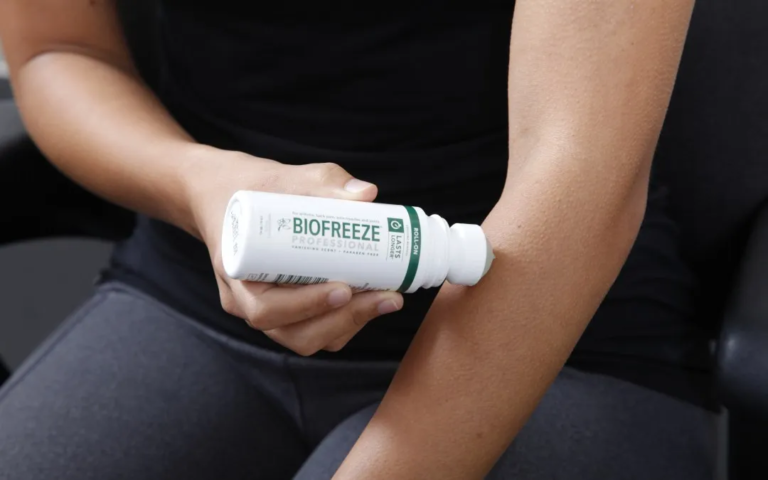
Biofreeze Professional is essential for those seeking effective pain relief solutions. At first glance, the Biofreeze tube you find at a pharmacy may seem identical to what is provided in clinics—but there are key differences. This menthol-based topical analgesic is well-known for alleviating muscle and joint discomfort, yet users often overlook the distinct formulations available.
Biofreeze Professional and its retail version both employ cold therapy for rapid pain relief. Research from Oxford University shows that Biofreeze reduces runners’ pain in just 10 seconds, underscoring its swift effectiveness. The professional variant, commonly seen in healthcare settings, differs in concentration, formulation, and application method from the retail counterpart.
Each version caters to specific user needs; one is designed for clinical environments where practitioners manage application and dosage, while the other offers accessible relief for consumers handling minor aches independently. Understanding these differences is crucial when choosing the right product, whether under professional care or managing everyday soreness at home.
Overview of Biofreeze Professional
Biofreeze Professional is a clinical-grade product line available exclusively through licensed healthcare practitioners. This formulation contains a higher concentration of menthol at 4%, delivering more potent pain relief suitable for therapeutic applications. Healthcare professionals, including physical therapists, chiropractors, and athletic trainers, rely on this formulation for faster-acting relief and longer-lasting effects, making it ideal for treating patients with acute injuries, chronic pain conditions, and sports-related trauma.
The professional product line isn’t just about strength; these items come in clinical-sized packaging for high-volume use, such as pump bottles and bulk containers. Research indicates that cold therapy products like Biofreeze effectively reduce pain signals by creating a cooling sensation that overrides discomfort.
The professional designation signifies adherence to quality assurance standards aligned with clinical requirements. Healthcare providers trust it for repeated daily use across diverse patient populations, from athletes recovering from injuries to elderly patients managing arthritis pain.
Overview of Biofreeze Retail
Biofreeze retail products cater to the consumer-facing segment of pain relief, designed for easy over-the-counter acquisition. Available at major pharmacy chains, sporting goods stores, and online retailers, these products require no healthcare provider involvement. The retail line focuses on accessibility and ease of use for managing everyday aches and minor discomforts.
Retail Biofreeze contains a slightly lower concentration of menthol, usually around 3.5% to 4%, making it suitable for general consumer use without professional guidance. Available in various delivery formats—such as roll-on applicators, gel tubes, and spray bottles—the retail line is designed for confident home use.
When comparing Biofreeze vs Professional, the retail version targets a distinct market. It’s marketed toward active individuals managing exercise soreness, office workers dealing with tension, and anyone seeking quick cooling relief without needing a healthcare appointment. The packaging emphasizes user-friendly application and convenience over clinical strength.
Retail Biofreeze retains the same menthol-based mechanism that creates a cooling sensation, but at a concentration calibrated for self-directed use. This allows consumers to experience topical pain relief while reserving higher-strength formulations for clinical settings where practitioners assess appropriate usage.
Key Differences in Formulation and Application
Differences between professional-strength Biofreeze and retail versions go beyond packaging. Professional formulations contain a 4% menthol concentration, while retail products typically use 3.5% menthol. This seemingly small difference results in a more pronounced cooling effect that healthcare practitioners rely on for immediate clinical relief.
Application methods vary considerably. Professional versions come in larger container sizes—such as 32-ounce pump bottles—designed for high-volume clinical use. The professional product line includes colorless gel options that won’t stain clothing or treatment tables, addressing practical concerns in clinical settings.
Retail formulations prioritize consumer convenience with smaller tubes, roll-ons, and spray bottles ideal for personal use. The retail line includes the original green-tinted gel familiar to most consumers, as well as colorless options. These products are formulated for intermittent application—typically two to four times daily—rather than the continuous clinical demand that professional versions accommodate.
Texture also differs subtly. Professional formulas absorb quickly to minimize wait time between application and treatment, while retail products balance absorption with a cooling sensation throughout the day.
Strength and Duration of Pain Relief
The performance gap between professional and retail versions centers on immediate pain reduction and sustained relief. Professional strength formulations achieve faster onset of action—typically within 60 seconds—compared to retail versions taking 2-3 minutes for noticeable cooling effects. This difference stems from the concentration variance mentioned earlier.
Duration follows a similar pattern. Professional Biofreeze maintains therapeutic cooling for 4-6 hours per application, while retail versions generally provide 2-4 hours of relief. Clinical settings demand this extended duration to minimize reapplication frequency during patient sessions. However, longer duration necessitates careful application—overuse can lead to excessive cooling sensation.
The intensity of pain reduction also varies. Professional formulations deliver more pronounced relief for moderate to severe musculoskeletal pain, whereas retail versions are effective for minor aches and post-exercise soreness. For chronic pain management, the professional version’s sustained effect offers better therapeutic value. Conversely, retail products provide adequate relief for occasional discomfort without overwhelming intensity.
Access and Distribution Channels
The most significant distinction between professional and retail Biofreeze lies in their distribution channels. Professional strength formulations operate through a restricted distribution model—available only through licensed healthcare providers, clinical settings, and authorized suppliers. This controlled access ensures that higher-concentration products reach consumers through practitioners knowledgeable about proper application protocols.
Retail versions follow traditional consumer distribution patterns, available at pharmacies, sporting goods stores, online marketplaces, and mass retailers. This widespread availability makes them convenient for immediate relief needs, though the selection typically includes only standard-strength formulations.
The distribution divide is intentional. Limiting professional strength access to healthcare professionals ensures quality control over potent formulations. Healthcare providers also guide appropriate use cases—valuable for chronic conditions or post-treatment care where proper timing and frequency matter.
However, this restricted model creates a practical barrier. To access the professional strength version, coordination with a chiropractor, physical therapist, or massage therapist is necessary. Some practitioners sell directly to patients; others provide it during treatment sessions. Though it adds a step compared to retail Biofreeze, it ensures authentic professional-grade product availability.
Hypothetical Scenarios: Choosing Between Professional and Retail
Understanding which formulation suits specific situations clarifies when the menthol concentration difference matters most.
The Weekend Warrior: An occasional runner dealing with post-workout soreness can typically manage with retail Biofreeze from their local pharmacy. The lower concentration provides adequate relief for minor muscle fatigue that resolves within a day or two. The convenience of purchasing during regular shopping trips outweighs any performance benefits from professional strength.
The Chronic Pain Patient: Someone managing ongoing arthritis pain in multiple joints faces a different calculation. Professional strength products deliver more consistent relief throughout the day, potentially reducing application frequency. Accessing these products requires establishing a relationship with a healthcare provider or licensed practitioner—a worthwhile investment for daily symptom management.
The Competitive Athlete: High-intensity training creates acute muscle stress requiring rapid intervention. Professional formulations align well with this scenario, offering faster pain reduction when timing matters. The higher upfront cost balances against fewer applications and quicker return to training.
The Budget-Conscious Consumer: Limited healthcare spending makes retail versions more practical for addressing occasional discomfort. The performance gap narrows for mild pain, where either formula achieves satisfactory results.
Each scenario illustrates how pain severity, frequency, and access considerations shape the practical choice between formulations.
Limitations and Considerations
While both professional and retail Biofreeze formulations offer effective menthol-based relief, understanding their limitations helps set realistic expectations. Neither formulation treats underlying conditions—they provide temporary symptom management rather than addressing root causes of pain.
Higher menthol concentration in professional strength doesn’t automatically make it better for everyone. Some individuals experience skin sensitivity or excessive cooling sensation with 4% menthol, while others find 3% insufficient. Cold therapy, the mechanism behind menthol’s effectiveness, works differently across body types and pain conditions.
Any pain relief gel has practical constraints worth considering. Application frequency matters—overuse can lead to skin irritation regardless of formulation strength. The cooling effect typically lasts 2-4 hours, requiring reapplication for extended relief. Additionally, menthol products don’t work well on broken skin or mucous membranes.
If pain persists beyond a few days or worsens despite consistent application, professional medical evaluation becomes necessary. Topical analgesics serve as one tool in pain management, not a complete solution. They work best as part of broader strategies that might include stretching, strengthening exercises, and proper body mechanics when appropriate.
Comparison Table: Biofreeze Professional vs Retail
A side-by-side comparison clarifies the practical differences between these formulations:
| Feature | Professional | Retail |
| Menthol Concentration | 4% | 3.5% |
| Purchase Channel | Healthcare providers, select retailers | Widely available (drugstores, online) |
| Intended User | Clinicians, patients with acute needs | General consumers, mild-to-moderate pain |
| Application Format | Gel, spray, tube | Gel, roll-on, spray, cream, patches |
| Color Option | Green (original) and Colorless | Green and Colorless |
| Price Point | Typically higher per ounce | More budget-friendly |
| Texture | Slightly thicker consistency | Lighter, easier spread |
| Cooling Intensity | More pronounced initially | Moderate, longer-lasting sensation |
| Best For | Targeted acute pain, clinical settings | Everyday discomfort, home use |
| Packaging Size | Larger bulk options for clinics | Individual consumer sizes |
Key takeaway: The half-percentage-point menthol difference translates to a subtly stronger initial effect in Professional formulations, while retail versions prioritize accessibility and everyday practicality. Both deliver the cooling relief Biofreeze is known for, making the choice primarily about intensity preference and purchase convenience.
Key Takeaways
Choosing between Biofreeze Professional and retail formulations ultimately depends on your specific needs and access to professional channels. The Professional version’s 4% menthol concentration—versus 3.5% to 4% in retail—delivers more immediate and potent relief, making it the preferred choice for practitioners managing acute conditions or chronic pain requiring stronger intervention.
However, the retail formulation offers distinct advantages: universal availability without prescription requirements, a broader product range including rollerballs and sticks, and a lower price point that makes regular use more sustainable for budget-conscious consumers. The Biofreeze Professional spray excels in clinical settings where hygiene and precise application matter most, while retail gels provide everyday convenience. Both formulations share the same fundamental mechanism—menthol’s cold therapy effect that reduces pain signals in just 10 seconds. Your best option hinges on pain severity, frequency of use, and whether you prioritize maximum strength or practical accessibility.
Ready to choose? If managing persistent or severe pain, request the Professional formula from your healthcare provider. For occasional muscle soreness or active recovery, retail options provide effective, convenient relief without the need for professional access.
Disclaimer: This article is for informational purposes only and does not constitute medical advice. Consult a licensed healthcare professional before starting any new pain management regimen.
