

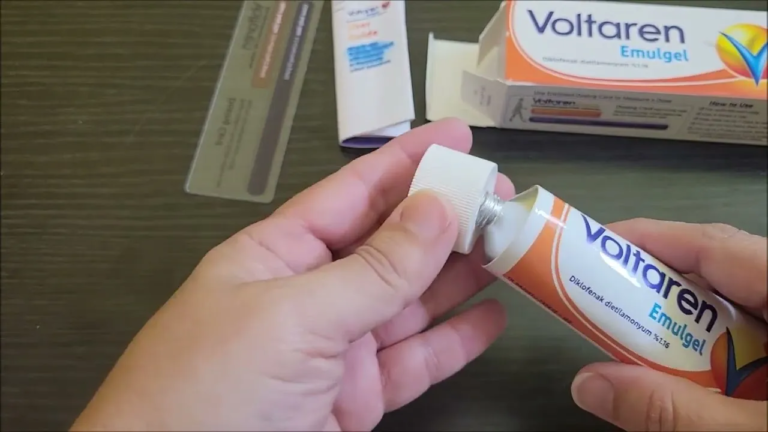
Introduction to Voltaren Arthritis Pain Gel
Joint pain often strikes at inconvenient times. Whether it’s your knees complaining during a morning walk or your hands aching during daily activities, arthritis pain demands attention. Enter Voltaren Arthritis Pain Gel—a topical solution gaining popularity among those seeking relief without the stomach issues or systemic effects associated with oral medications.
This isn’t just another over the counter cream making big promises. Voltaren Gel contains diclofenac sodium, a nonsteroidal anti-inflammatory drug (NSAID) that works directly at the pain site. What sets it apart? Clinical studies demonstrate significant pain reduction in osteoarthritis patients, with improvements visible within days of consistent use.
The FDA approved the prescription version back in 2007, and in 2020, it became the first topical NSAID available over-the-counter for arthritis pain—a watershed moment that made this treatment accessible without a doctor’s visit. That regulatory shift reflects confidence in both its efficacy and safety profile when used as directed.
This review examines how Voltaren Arthritis Pain Gel performs in real-world use, what the science reveals about its effectiveness, and whether it delivers on its promise to target arthritis pain where it hurts most.
How Voltaren Gel Works: The Science Behind the Relief
Voltaren Gel delivers its active ingredient, diclofenac sodium, directly through your skin to the joint in pain. Unlike pills that go through your stomach and blood, this gel targets inflammation at the source and lessens overall exposure.
When you put it on, diclofenac gets through your skin and builds up in the tissue underneath. It blocks COX enzymes, which are responsible for making prostaglandins—the stuff that causes pain and swelling. By stopping this right where it starts, Voltaren eases joint inflammation without needing a lot of the drug in your bloodstream.
The numbers back this up. In clinical trials, patients using diclofenac gel experienced statistically significant pain reduction compared to placebo—with improvements measurable within one week and continuing through 12 weeks of treatment. What’s particularly noteworthy is the concentration gradient: the medication reaches therapeutic levels in joint tissue while maintaining minimal plasma levels, often 5-10% of what oral NSAIDs produce.
This localized delivery creates a practical advantage—your liver and kidneys process far less medication than with systemic alternatives, potentially reducing the risk of complications in long-term use.
Step-by-Step: How to Use Voltaren Gel Effectively
Getting the most from Voltaren Arthritis Pain Gel comes down to proper application technique and timing. The process itself is straightforward, but small details matter.
The Basic Application Process
Start with clean, dry skin. Squeeze out the gel using the dosing card that comes in the package—this helps measure the correct amount. For lower body joints like knees, use 4 grams (the card measures this precisely). For upper body joints like hands or elbows, use 2 grams. That’s roughly the size of a cherry or walnut, respectively.
Gently rub the gel into the affected area until it fully absorbs. According to WebMD’s clinical guidance, you can apply it up to four times daily, but don’t exceed 32 grams total per day across all joints. Wait at least four hours between applications.
Here’s what affects absorption: Don’t cover the treated area with bandages or heating pads. Avoid bathing or swimming for at least an hour after application. And wash your hands thoroughly afterward—unless you’re treating your hands, in which case wait at least an hour before washing.
The most common mistake? Applying too little gel or rubbing it in too quickly. Take 30 seconds to work it into the joint completely for optimal penetration.
Potential Benefits and Real-Life Scenarios
Diclofenac sodium topical gel offers practical advantages for people dealing with arthritis pain in their daily routines. The localized delivery means relief comes without the systemic side effects that oral medications can produce—particularly important for those managing multiple health conditions or taking other prescriptions.
Common scenarios where Voltaren Gel proves especially useful:
- Morning stiffness management: Apply to knee or hand joints before starting your day, allowing 15-20 minutes for absorption while you prepare breakfast
- Activity preparation: Use on elbows or knees 30-45 minutes before gardening, golf, or household tasks that stress specific joints
- Evening relief: Target painful joints after a long workday or physical activity to help maintain comfort through the night
Clinical studies demonstrate meaningful improvements in both pain scores and physical function for knee osteoarthritis patients using diclofenac gel. However, results vary significantly from person to person—some notice relief within days, while others require consistent use for 2-3 weeks before experiencing noticeable benefits.
The targeted approach works best for accessible joints like hands, wrists, elbows, and knees. Deeper joints like hips present limitations due to penetration depth.
Limitations and Considerations: What You Need to Know
While Voltaren Arthritis Pain Gel offers targeted relief, it’s not appropriate for everyone. As a topical NSAID, it carries specific contraindications and usage limitations that deserve careful attention.
Who Should Avoid Voltaren Gel:
- People with aspirin allergies or NSAID sensitivities
- Those in the third trimester of pregnancy
- Anyone with active skin conditions or open wounds at the application site
- Individuals with severe kidney or liver disease
The gel’s effectiveness also depends heavily on the pain’s location. Voltaren works best on joints close to the skin surface—hands, knees, ankles, and feet respond particularly well. However, deeper joints like hips or shoulder joints may not receive adequate medication penetration through multiple tissue layers.
Coverage limitations present another practical consideration. At the recommended four times daily dosing, a single tube lasts approximately two weeks when treating multiple joints. This can add up financially for people managing arthritis in several areas simultaneously.
Drug interactions require attention too. Combining topical NSAIDs with oral versions, blood thinners, or certain blood pressure medications needs medical oversight. What typically happens is that people assume topical application means zero systemic interaction—but some absorption does occur, particularly with regular use on large areas.
What the Research Shows: Effectiveness and User Reviews
Clinical evidence supports diclofenac sodium topical gel as an effective arthritis pain reliever. A double-blind study comparing topical diclofenac to oral NSAIDs found comparable pain relief for knee osteoarthritis, with the topical form showing fewer gastrointestinal side effects.
Research published in PMC demonstrates that diclofenac penetrates deep enough to reach therapeutic concentrations in joint tissues. In controlled trials, patients using topical diclofenac reported significant improvements in pain scores and physical function compared to placebo groups. These improvements typically emerged within one to two weeks of consistent use.
However, individual results vary considerably. A retrospective evaluation comparing topical NSAIDs found that response rates differ based on factors like joint location, arthritis severity, and body composition. Some users report noticeable relief within days, while others see minimal benefit even after weeks of application.
User reviews reflect this variability—many praise Voltaren for enabling daily activities with less discomfort, while others find the results underwhelming. The consistent theme across clinical data is that topical diclofenac works best for superficial joints like knees, hands, and elbows, making it a practical option for those specific areas rather than a universal solution.
Example Scenarios: Voltaren in Practice
Understanding how Voltaren Gel fits into daily routines helps clarify its practical value for joint pain relief. Consider these common situations where users typically reach for this topical treatment.
Morning stiffness scenario: A person with knee osteoarthritis wakes with significant stiffness. After applying Voltaren Gel before breakfast, they notice improved mobility within 30-60 minutes, making morning activities like climbing stairs or walking the dog more manageable. This pattern aligns with clinical observations showing peak plasma concentrations occurring approximately 4-5 hours post-application.
Active lifestyle application: Someone with hand arthritis applies the gel before gardening or cooking—activities that typically aggravate symptoms. The targeted application to finger and wrist joints allows continued participation in meaningful activities without systemic medication effects.
Post-exercise management: An individual with ankle arthritis applies Voltaren after physical therapy sessions. The gel provides localized relief without interfering with the therapeutic benefits of exercise, supporting consistent rehabilitation efforts.
Practical timing consideration: Users often apply the gel 3-4 times daily around key activities—morning routine, midday tasks, evening meal preparation, and before bed. However, exceeding recommended frequency or dosage won’t enhance results and may increase side effect risk. The gel works best when integrated consistently into existing routines rather than used sporadically for breakthrough pain.
Where Voltaren Gel Shines: Unique Features and Advantages
Voltaren Gel occupies a distinctive position in the pain relief market. As the first topical NSAID approved by the FDA for prescription use, it established a new treatment category that bridges the gap between standard topical analgesics and oral medications.
Targeted delivery represents the gel’s primary advantage. Rather than flooding your entire system with medication, diclofenac sodium penetrates through the skin to reach affected joints directly. This localized approach means lower systemic exposure compared to oral NSAIDs—reducing potential interactions with other medications or impact on organs like the kidneys and liver.
The over-the-counter availability changes the treatment landscape for osteoarthritis pain management. Previously requiring a doctor’s visit and prescription, people can now access this clinically-studied medication directly, accelerating relief when flare-ups occur.
Flexible dosing accommodates individual needs. You can apply the gel up to four times daily, allowing you to adjust frequency based on activity levels and pain intensity. Morning application before exercise, midday reapplication, or evening use for overnight relief—the schedule adapts to your life rather than the other way around.
The absence of strong medicinal odors makes Voltaren Gel practical for workplace or social settings where discretion matters.
Key Takeaways
Voltaren Arthritis Pain Gel represents a meaningful shift in how we approach joint pain relief—delivering targeted medication directly where it’s needed without systemic exposure. The diclofenac sodium formula provides clinically proven results for osteoarthritis pain in accessible joints like knees, hands, and elbows.
What makes this product stand out? Three factors: FDA approval backing its efficacy, over-the-counter accessibility removing prescription barriers, and the ability to address localized pain without oral medication side effects. You apply it four times daily to clean, dry skin and give it at least a week to demonstrate full benefits.
However, this isn’t a universal solution. Deeper joints remain out of reach, some users experience skin reactions, and the medication smell can be noticeable. Budget matters too—regular use costs more than generic oral NSAIDs.
The practical reality: Voltaren works best for people with mild-to-moderate osteoarthritis in surface joints who want targeted relief or need to avoid oral medications. It’s a tool, not a cure—one that fits naturally into an arthritis management plan including movement, weight management, and medical guidance.
If localized joint pain limits your daily activities, Voltaren Arthritis Pain Gel offers a proven, accessible option worth discussing with your healthcare provider.
Disclaimer: This article is for informational purposes only and does not constitute medical advice. Consult a licensed healthcare professional before starting any new pain management regimen.
